Sidewalks, public walkways, parks, government buildings, and other public spaces should be reasonably safe for the people who use them every day. When a public agency fails to repair known hazards, ignores maintenance, or allows unsafe conditions to remain in place, serious injuries can happen. Unfortunately, when the responsible party is a city, county, or other government entity, the process is rarely straightforward. Public entities often raise procedural defenses, and strict deadlines apply.
At the Law Offices of Faud Haghighi, we represent injured individuals throughout Orange County in claims involving unsafe public property. Attorney Faud Haghighi understands how government liability cases work in California and focuses on early investigation, evidence preservation, and meeting the specific requirements that apply to claims against public entities.
If you were injured on government-controlled property, taking action early is critical. Public property hazards may be repaired quickly after an incident, and missing required notice deadlines can jeopardize an otherwise valid claim.
Can a Government Entity Be Held Responsible for Unsafe Public Property?
Yes. Government entities are not automatically immune from liability when unsafe public property causes injury. However, the legal standards and procedures are different than a typical premises liability case against a private business or homeowner. A successful government liability claim generally requires showing that a dangerous condition existed on public property, that it created a foreseeable risk of injury, and that the public entity had notice of the condition and failed to take reasonable steps to correct it or warn the public.
Government liability claims are often heavily contested. Public entities and their insurers may argue that the hazard was minor, that the injured person should have avoided it, or that the entity did not have enough time or notice to repair it. This is why the facts, documentation, and timeline matter so much.
What Counts as Government-Owned or Government-Controlled Property?
“Public property” can include far more than people realize. In Orange County, government-owned or government-controlled property may include:
- Sidewalks and pedestrian walkways along city streets and in public access areas
- Parks, trails, and recreational facilities maintained by municipal or county agencies
- Public buildings such as courthouses, libraries, city halls, and municipal offices
- Public parking lots and parking structures operated or maintained by a public entity
- Transit-related areas such as bus stops, access ramps, and public transportation entry points
- School and municipal properties including walkways, stairwells, and exterior access areas
In some locations, multiple entities may share responsibility for maintenance. Identifying the correct responsible agency is a key step in building a valid claim.
Common Unsafe Conditions That Lead to Government Liability Claims
Unsafe public property conditions are often predictable and preventable. Some of the most common hazards involved in government liability cases include:
Broken, Uneven, or Uplifted Sidewalks
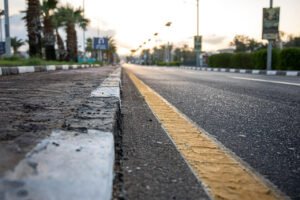
Cracked concrete, raised sidewalk panels, tree root damage, and uneven walking surfaces are among the most common causes of serious falls. These issues often develop gradually and can remain unaddressed for long periods.
Potholes, Deteriorated Pavement, and Surface Failures
Potholes and surface deterioration can cause falls and other injuries, especially in crosswalks, public access areas, and public parking structures. These conditions may be more dangerous at night or in poor visibility.
Unsafe Stairs, Ramps, and Curb Transitions
Missing traction, uneven step heights, broken edges, defective ramps, or poorly designed transitions can create dangerous fall risks. A lack of handrails or guardrails can further increase the severity of injuries.
Inadequate Lighting in Public Areas
Poor lighting in public walkways, stair areas, and parking structures can make hazards difficult to see and significantly increase fall risks. Lighting failures can also contribute to foreseeability concerns in certain environments.
Drainage Issues and Standing Water
Improper drainage can lead to pooled water and slippery walking surfaces. In some cases, recurring drainage problems indicate long-standing maintenance issues that may support notice.
Hazards Left in Walkways or Public Access Paths
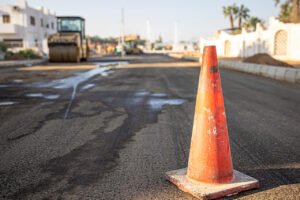
Debris, construction-related obstructions, exposed edges, or poorly marked work zones can create substantial risk for pedestrians. When proper warnings or safe routing are missing, liability issues may arise.
What Must Be Proven to Establish Government Liability?
Government liability cases are often decided by a combination of the hazard’s severity, the public entity’s notice, and whether reasonable steps were taken to repair or warn. While every case is fact-specific, key issues typically include:
- Existence of a dangerous condition: The condition must present a meaningful risk of injury when the property is used with reasonable care.
- Foreseeability: It must be reasonably foreseeable that the condition could cause harm.
- Notice: The public entity knew about the hazard or should have discovered it through reasonable inspection and maintenance.
- Failure to act: The public entity failed to repair the condition, block access, or provide adequate warning within a reasonable time.
- Causation: The dangerous condition must be a substantial factor in causing the injury.
Public entities often focus on the notice question. If you can show that a hazard existed long enough to be found and corrected, the claim typically becomes much stronger.
How Government Liability Claims Are Investigated and Built
Successful claims against public entities require more than medical records. They require early, organized evidence that proves the hazard existed and that the agency had an opportunity to address it. Evidence that can be critical includes:
- Photographs and video of the hazard from multiple angles, showing size, depth, slope, or irregularity
- Measurements of uneven surfaces, height differences, or defect dimensions
- Maintenance and inspection records related to the area where the injury occurred
- Prior complaints or prior incidents involving the same location
- Witness statements from people who saw the fall or who know the condition existed beforehand
- Medical documentation connecting the mechanism of the fall to the injuries
Because public agencies may repair hazards after an incident, documenting the condition promptly is especially important. A well-prepared claim anticipates defenses and builds a timeline that shows notice and unreasonable delay in repair or warning.
Injuries Commonly Caused by Unsafe Public Property
Falls on public property frequently cause serious injuries, especially when the surface is uneven, the hazard is difficult to see, or the person lands awkwardly. Common injuries include:
- Broken bones and fractures (wrist, ankle, hip, ribs)
- Head injuries, concussions, and traumatic brain injuries
- Back, neck, and spinal injuries, including disc injuries
- Soft tissue injuries, sprains, strains, and ligament tears
- Knee and shoulder injuries that may require surgery or rehabilitation
- Long-term mobility limitations and chronic pain
These injuries can lead to significant medical costs, missed work, long recovery periods, and lasting impact on daily life.
Strict Deadlines and Notice Requirements in Government Claims
One of the biggest differences between public and private property claims is the timeline. Claims against cities, counties, and other public entities often involve shorter notice deadlines and specific procedural requirements. Missing a required deadline can prevent you from pursuing compensation, even if the hazard was clearly dangerous and the injuries are serious.
Because the rules for government liability are different, it is important to have your case reviewed as soon as possible after an injury on public property. Early review helps protect your ability to move forward, while also improving your ability to preserve evidence.
Why Choose the Law Offices of Faud Haghighi?
Government liability cases demand a careful, deadline-focused strategy. At the Law Offices of Faud Haghighi, we approach unsafe public property claims with the seriousness they require and the preparation public entities expect.
Early Action to Preserve Evidence
Public property hazards may be repaired quickly after an injury. We emphasize early documentation and evidence preservation to protect the claim.
Understanding of Government Defenses
Public entities and their insurers often rely on notice arguments, procedural defenses, and fault-shifting. We build cases around the key points that determine liability.
Clear Identification of the Correct Responsible Entity
Responsibility can vary depending on the location and who controls maintenance. We work to identify the correct agency and understand its obligations.
Prepared for Litigation When Needed
Even when a case resolves without trial, stronger outcomes typically come when a claim is thoroughly prepared and supported by evidence.
Serving Clients Throughout Orange County
The Law Offices of Faud Haghighi represents injured clients throughout Orange County, including Santa Ana, Irvine, Anaheim, Mission Viejo, Lake Forest, Tustin, Costa Mesa, and surrounding areas. If your injury occurred on a sidewalk, public walkway, public building, park, or other government-controlled property, we can evaluate your options and help you take appropriate next steps.
Meet the Team

Faud Haghighi, Esq.
Founder & Lead Attorney
Dedicated to providing honest, client-focused representation with integrity and a proven record of success across California personal injury cases.
Schedule a Consultation
Client Reviews
Law Offices of Faud Haghighi
“They handled my case with professionalism and compassion. I felt supported every step of the way.”
“Outstanding communication and results. Highly recommend their services!”