What Are Apartment and Multi-Family Slip and Fall Accidents?
Slip and fall accidents in apartment buildings and multi-family complexes are a significant source of serious injuries throughout Orange County. These properties contain numerous shared spaces — such as walkways, stairwells, parking areas, laundry rooms, and recreational facilities — that residents and visitors use every day. When these common areas are not properly maintained, hazards can develop that place people at risk.
Unlike single-family homes, apartment and multi-family complexes involve ongoing duties owed by landlords and property managers to maintain common areas in a reasonably safe condition under California Civil Code § 1714. When a person is injured because a known or discoverable hazard was ignored, California premises liability law may allow the injured individual to pursue compensation.
At the Law Offices of Faud Haghighi, we represent residents, guests, and visitors injured in slip and fall accidents at apartment and multi-family properties throughout Orange County. These cases often require a detailed review of maintenance practices, inspection routines, and the responsibilities of landlords and property management companies.
Why Do Apartment and Multi-Family Properties Have Higher Slip and Fall Risk?
Apartment complexes are designed for continuous use by multiple households, guests, service providers, and delivery personnel. This constant activity increases wear and tear on common areas and makes hazards more likely to develop due to negligent maintenance.
Property owners and managers are expected to anticipate these risks. Stairways, walkways, and shared facilities must be inspected regularly, repaired promptly, and monitored for changing conditions. When this does not occur, slip and fall accidents become far more likely.
Where Do Slip and Fall Accidents Happen in Apartment Complexes?
Most slip and fall accidents at apartment and multi-family complexes occur in shared or common areas that are under the control of the property owner or manager.
What Hazards Exist on Walkways and Sidewalks?
Cracked pavement, uneven surfaces, poor drainage, and debris on walkways can create slipping and tripping hazards that result in sidewalk and walkway slip and fall cases.
Why Are Stairwells a Common Site of Injury?
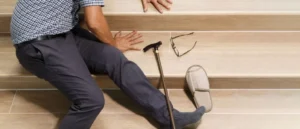
Stairs are a frequent site of injuries due to worn treads, loose handrails, poor lighting, and water accumulation.
What Hazards Exist in Parking Lots and Parking Structures?
Oil residue, broken pavement, poor lighting, and inadequate drainage often contribute to slip and fall accidents in parking areas.

What Hazards Exist in Hallways and Interior Common Areas?
Wet floors from cleaning, damaged flooring, loose mats, and poor lighting can create hazards inside apartment buildings.
What Hazards Exist in Laundry Rooms and Shared Facilities?
Water leaks, detergent spills, and condensation can make floors slippery if not addressed promptly.
What Hazards Exist in Recreational and Amenity Areas?
Pools, gyms, courtyards, and community rooms require regular monitoring, as moisture and heavy use increase slip risks.
What Are the Most Common Causes of Slip and Fall Accidents in Apartment Complexes?
Slip and fall accidents in apartment and multi-family complexes are rarely random. They usually result from identifiable conditions that should have been discovered through reasonable inspection.
How Do Water Leaks Cause Slip and Fall Accidents?
Leaking pipes, irrigation systems, and roof issues can cause persistent wet conditions in common areas.
How Does Poor Lighting Contribute to Falls?
Burned-out bulbs or insufficient lighting can prevent residents from seeing hazards, especially in stairwells and parking areas.
How Do Uneven or Deteriorated Surfaces Develop?
Cracked concrete, worn flooring, loose tiles, and damaged steps often develop over time, creating uneven or deteriorated surfaces that increase the risk of slip and fall accidents.
Can Recently Cleaned Floors Cause a Fall?
Cleaning activities performed without proper warnings or barriers can leave floors slick for extended periods.
Can Debris and Obstructions Cause a Fall?
Trash, personal items, and maintenance equipment left in common areas can create slipping and tripping hazards.
What Legal Duties Do Landlords and Property Managers Owe?
Landlords and property managers have a legal obligation under Civil Code § 1714 to maintain common areas in a reasonably safe condition. This duty applies regardless of whether the injured person is a tenant, guest, or lawful visitor.
These duties generally include:
- Regular inspection of common areas
- Prompt repair of known hazards
- Addressing conditions that worsen over time
- Providing adequate lighting in shared spaces
- Using warnings or barriers when hazards cannot be immediately corrected
Failure to meet these obligations can expose property owners and managers to liability when injuries occur.
Who Is Responsible: Tenant Areas vs. Common Areas?
A key issue in apartment slip and fall cases is determining where the accident occurred. Landlords are generally responsible for common areas under their control, while tenants may be responsible for conditions inside their individual units.
Common areas typically include:
- Stairwells and hallways
- Sidewalks and walkways
- Parking lots and garages
- Laundry rooms and amenity spaces
- Shared entrances and exits
If a hazard exists in a common area, the landlord or property manager is usually responsible for inspection and maintenance.
How Long Do I Have to File an Apartment Slip and Fall Claim?
Most slip and fall claims against a private landlord or property owner must be filed within two years of the date of injury under Code of Civil Procedure § 335.1. If the property is government-owned or operated — such as public or subsidized housing — a claim must generally be filed within six months under Government Code § 911.2. Confirming who owns and manages the property is an important early step in any apartment slip and fall claim.
How Are Slip and Fall Claims in Apartment Complexes Proven?
Slip and fall claims involving apartment and multi-family complexes often focus on whether the property owner or manager knew — or should have known — about the hazard.
Important questions typically include:
- How long the hazardous condition existed
- Whether regular inspections were conducted
- Whether complaints or prior incidents were reported
- Whether repairs were delayed or ignored
- Whether warnings or barriers were used appropriately
Because many hazards develop gradually, constructive notice — meaning the condition existed long enough to be discovered through reasonable care — is often a central issue.
What Evidence Is Commonly Used in Apartment Slip and Fall Cases?
Preserving evidence early is critical, as hazards are often repaired after an injury occurs.
- Maintenance and inspection records
- Work orders and repair logs
- Surveillance footage
- Incident reports
- Witness statements from residents or staff
- Photographs or videos of the hazardous condition
This evidence can help establish how long the hazard existed and whether reasonable maintenance practices were followed.
What Injuries Commonly Result From Apartment Slip and Fall Accidents?
Slip and fall accidents in apartment complexes can result in serious and sometimes life-altering injuries.
- Broken bones and fractures
- Head injuries and concussions
- Back, neck, and spinal injuries
- Hip, knee, and shoulder injuries
- Soft tissue injuries such as sprains and tears
- Long-term mobility limitations
These injuries may require extensive medical care, rehabilitation, and time away from work or daily activities.
What Defenses Do Landlords and Property Managers Commonly Raise?
Landlords and their insurers often challenge slip and fall claims. Common defenses include arguing that the hazard was minor, that the injured person was not paying attention, or that the condition was open and obvious.
They may also claim that they had no notice of the condition or that reasonable maintenance procedures were in place. Evaluating these defenses requires careful review of records and property conditions.
How Does the Firm Approach Apartment Slip and Fall Cases?
Slip and fall accidents in apartment and multi-family complexes require a thorough understanding of landlord duties, property management practices, and premises liability law. At the Law Offices of Faud Haghighi, we focus on identifying preventable safety failures and holding responsible parties accountable.
What Experience Does the Firm Have With Residential Premises Liability Claims?
We understand how apartment complex cases are evaluated and defended by insurers.
How Does the Firm Investigate Maintenance and Inspection Failures?
We examine whether reasonable inspection and repair practices were followed.
How Does the Firm Handle Evidence Preservation?
We emphasize documenting hazards before repairs are made or evidence is lost.
Is the Firm Prepared to Litigate If Necessary?
We prepare every case as though it may go to trial, whether it ultimately resolves through settlement or proceeds further. Every case is different, and past results do not guarantee future outcomes.
What Areas Does the Firm Serve for Apartment Slip and Fall Claims?
The Law Offices of Faud Haghighi represents individuals injured in apartment and multi-family complex slip and fall accidents throughout Orange County, including Santa Ana, Irvine, Anaheim, Mission Viejo, Lake Forest, Tustin, Costa Mesa, and surrounding communities.
Injured in a common area of your apartment or multi-family complex? Confirming who controlled and maintained that space is the first step, and repairs often erase the evidence. Call (949) 313-7656 or request a free consultation to talk about what happened.

Faud Haghighi, Esq.
Founder & Lead Trial Attorney
An Orange County trial attorney representing people injured by someone else's negligence — in car and truck crashes, slip-and-falls, premises accidents, and other serious-injury cases. Faud builds each case with the right medical and liability experts, preserves the evidence early, and prepares every file for trial — and you work directly with him, start to finish.
CA State Bar since 2012 · Aliso Viejo & Tustin
Free Consultation Read full bio ›


