- (949) 313-7656
- info@fhaghighilaw.com
- Serving Orange County and Southern California
- Free Consultation
- No Fee Unless We Win
Orange County Product Liability Lawyer
Injured by a defective or dangerous product in Orange County?
You may not have to prove anyone was careless. Under California’s strict liability law, a manufacturer, distributor, or retailer can be held responsible when a defective product injures you. The Law Offices of Faud Haghighi holds them accountable — and you work directly with the attorney, start to finish.
- Free Consultation
- No Fee Unless We Win
- Serving Orange County & Southern California
Start Your Free Case Review
Tell us what happened — no cost, no obligation.
- 100% confidential. Your details are safe and shared with no one
Recent Client Results
Tens of Millions Recovered for Our Clients
Recent Recoveries Secured for Injured Clients.
Last updated: August 2026 · Reviewed by Faud Haghighi, Esq., Founder & Lead Trial Attorney
Do You Have a Product Liability Case?
If a defective product injured you, you may be entitled to compensation for medical bills, lost income, pain and suffering, and other losses. California product liability law can hold manufacturers, distributors, and retailers responsible even when you cannot prove they were negligent.
That principle is called strict liability, and it is what separates a defective-product case from an ordinary accident. In most cases you generally do not have to prove a company was careless — the focus is on whether the product was defective and whether that defect caused your harm. Defective-product injuries are a core part of our personal injury practice.
What Is Product Liability?
Product liability is the area of law that holds the companies who make and sell products accountable when those products are unreasonably dangerous and cause harm. A claim can rest on more than one legal theory — strict liability, negligence, and breach of warranty — each with different requirements and defenses.
The Types of Product Defect
California product liability law recognizes several theories under which a product may be considered defective, including design defects, manufacturing defects, and inadequate warnings or instructions. Your case may involve one or more of them.
1. Design Defects
The product’s design itself creates the alleged danger — meaning the problem is inherent in the design rather than limited to a particular unit. California evaluates design defects using the consumer-expectation test (did the product perform as safely as an ordinary user would expect?) and, in many cases, the risk-benefit test (do the risks of the design outweigh its benefits?). Which test applies depends on the product and the facts.
Example: A power tool may be manufactured exactly according to specifications but still have a design that exposes users to an unreasonable risk of injury — for instance, a guard that leaves a blade needlessly exposed.
2. Manufacturing Defects
The design is sound, but something went wrong in production — the specific unit that injured you differs from the manufacturer’s own specifications or from other units on the line. A cracked weld, a contaminated batch, a missing bolt.
3. Warning Defects (Failure to Warn)
Even a well-designed, well-made product can be defective if it lacks adequate warnings or instructions about a risk that is not obvious — especially a danger that takes medical or technical knowledge to understand.
What Products Can Cause Liability Claims?
- Automobiles and auto parts — tires, brakes, airbags, and seatbelts
- Consumer products and household appliances
- Children’s products, toys, and furniture
- Medical devices and implants
- Prescription and over-the-counter drugs
- Industrial machinery and power tools
- Construction and workplace equipment
- Electronics and batteries
- Defective safety equipment
Who Can Be Held Responsible?
Under California’s strict liability rule, everyone in the product’s chain of distribution can potentially be responsible — not only the manufacturer. Potentially responsible parties may include:
- The product manufacturer
- The maker of a defective component part
- The distributor
- The wholesaler
- The retailer who sold it to you
- Other businesses that placed the product into the stream of commerce
A retailer or other seller may be held strictly liable even if it did not manufacture the product or independently cause the defect. Because several parties may share responsibility, there may be more than one source of recovery — though which parties are liable, and what coverage is available, depends on the facts of your case.
What Do You Have to Prove in a Product Liability Case?
In a strict liability claim, you generally must establish that the product was defective, that you suffered harm, and that the defect was a substantial factor in causing that harm. The precise elements and defenses depend on the type of defect involved. You generally do not have to prove that the manufacturer was negligent.
Strict product liability generally requires a physical injury or damage to property other than the product itself — when the only loss is the product’s own failure or a purely financial one, those claims usually fall under warranty or contract law instead. Where the facts support them, we may also pursue negligence, breach-of-warranty, or other applicable claims.
How Do You Know If a Product Is Defective?
You do not need to diagnose the defect yourself — that is what experts are for — but these are common signs a product may be defective:
- It malfunctioned during normal, foreseeable use
- Similar products have been recalled
- Other people have reported the same failure
- The instructions failed to warn about a known danger
- The product differs from its intended specifications
- The manufacturer changed the product after your incident
- Internal components show signs of premature failure
- Medical or engineering evidence links the product to your injury
What Compensation Can You Recover?
The value of a product liability claim depends on the severity of the injury and its impact on your life. Depending on the facts, you may be able to recover:
- Medical expenses and the cost of future medical treatment
- Lost wages and reduced future earning capacity
- Pain, suffering, and emotional distress
- Property damage and other out-of-pocket losses
- Loss of consortium, where legally applicable
- Loss of household services, where applicable
- Punitive damages, in appropriate cases involving especially egregious conduct
If a defective product causes a death, surviving family members may have a separate wrongful-death claim, subject to California law and applicable deadlines.
What Evidence Should You Preserve?
The single most important thing you can do is keep the product that hurt you. Do not throw it away, return it, or repair it — and do not modify, disassemble, or test it yourself, because it may need to be inspected by experts exactly as it is. If the product is too large or dangerous to store safely, do not dispose of it without first speaking with an attorney about how to preserve the evidence. Try to preserve:
- The product itself, kept as-is
- Packaging, labels, and any attached tags
- Receipts or other proof of purchase
- The owner’s manual and instructions
- Photos and videos of the product and your injuries
- Medical records and bills
- Any accident or incident reports
- Names and contact information for witnesses
- Emails or messages with the manufacturer or seller
- Recall notices, advertisements, or product claims
Still have the product that injured you? Preserving it now can make or break a claim. Request a free case review ›
What If the Product Was Recalled?
A recall may provide important evidence about a product’s safety or a known defect, but a recall is not required to bring a product liability claim. You can still have a strong case even if the product was never recalled. Just as importantly, the absence of a recall does not mean a product was safe.
Common Defenses in Product Liability Cases
Manufacturers and their insurers defend these claims aggressively. Common defenses include arguments that:
- The product was not actually defective
- Something other than the product caused the injury
- The product was substantially altered after it left the company’s control
- The product was misused in a way that was not reasonably foreseeable
- The injured person knew about and voluntarily encountered the danger
- The injured person’s own conduct contributed to the injury
- The claim was filed after the applicable deadline
The strength of each defense depends on the evidence — which is why preserving the product and building the case early matters so much.
How Long Do I Have to File a California Product Liability Lawsuit?
As a general rule, personal-injury claims in California must be filed within two years of the date of injury (Code of Civil Procedure § 335.1). However, the applicable deadline depends on the specific claims and circumstances of your case — product liability matters can involve different causes of action, defendants, and rules. In some situations a discovery rule may apply, but its scope is limited and fact-specific. If a government entity or public agency is a potentially liable party, a formal administrative claim must generally be filed within six months under the California Government Claims Act. Because a missed deadline can end a valid case, speak with an attorney as early as possible.
Why Product Liability Cases Require Expert Investigation
Defective-product cases are won with engineering, medical, and technical evidence — and they take real resources to build. When you hire the firm, we:
- Preserve and arrange for expert inspection of the product
- Investigate how the injury happened
- Obtain the medical, purchase, and manufacturing records that matter
- Identify every potentially responsible party in the chain of distribution
- Retain qualified engineering and medical experts
- Analyze the design, manufacturing, and warning evidence
- Calculate the full value of your losses, present and future
- Prepare the case for litigation and trial
Attorney Faud Haghighi advances the costs of building these cases, works directly with clients from start to finish — not through a case manager — and prepares every claim as if it will go before a jury.
Were you injured by a defective product? Preserving the product and investigating the evidence early can be critical. Call (949) 313-7656 or request a free consultation to discuss what happened and whether you may have a claim. There’s no obligation to move forward simply because you speak with us.
Free Case Review
Speak directly with an attorney about your injury — at no cost.
(949) 313-7656 Request a Consultation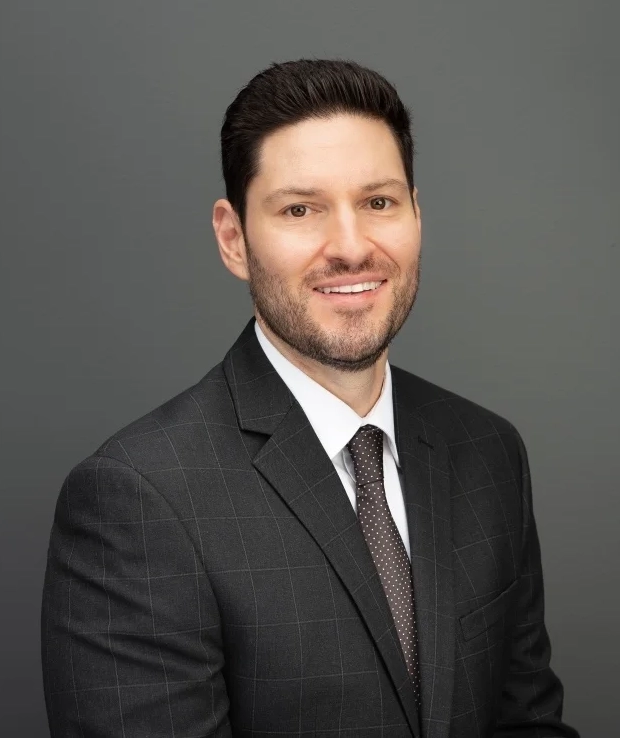
Faud Haghighi, Esq.
Founder & Lead Trial Attorney
An Orange County trial attorney representing people injured by defective and dangerous products. Faud builds each case with the right engineering and medical experts, preserves the product as evidence, and prepares every file for trial — and you work directly with him, start to finish.
CA State Bar since 2012 · Aliso Viejo & Tustin
Free Consultation Read full bio ›Personal Injury Services
Contact Our Legal Team
Speak directly with an experienced attorney at the Law Offices of Faud Haghighi. We're here to help you understand your rights and explore your legal options.
- (949) 313-7656
- info@fhaghighilaw.com
- 120 Vantis, Ste. 300
Aliso Viejo, CA 92656 - 1352 Irvine Blvd., Ste. 204
Tustin, CA 92780
Why Clients Choose Us
A Firm Focused on Winning Injury Cases
We represent injured people — not insurance companies. Every case is prepared as if it is going to trial, and every client works directly with their attorney from the first consultation through settlement or verdict.
Direct Attorney Access
No case managers, no runaround. You work one-on-one with your attorney and always know where your case stands.
Trial-Ready Preparation
We build every file for the courtroom. Insurers pay more when they know your lawyer is prepared to try the case.
We Know Insurance Tactics
We understand how insurance companies operate — and we don't let clients get pressured into accepting less than their case is worth.
No Fee Unless We Win
Your consultation is free and you pay nothing out of pocket. We only get paid when we recover compensation for you.
Product Liability FAQs
Often, yes. California’s strict liability protections extend beyond the purchaser to users of the product and, in many situations, to bystanders who were foreseeably nearby. You do not have to be the person who bought it.
You can still pursue a claim. A purchase can be shown in other ways — packaging, photos, bank or account records, or testimony. The product itself is usually the most important evidence, so preserving it matters more than the receipt.
Yes. A recall can help show a product was dangerous, but it is not required — and the lack of a recall does not mean you don’t have a case.
Possibly. Your own conduct may affect the amount you can recover, depending on the claims and circumstances. How you used the product, whether that use was foreseeable, and whether your conduct contributed to the injury can all become important issues.
Yes. Under strict liability, a retailer in the chain of distribution may be held responsible for selling a defective product, even if the store did not make it or cause the defect.
You may still have options. Whether California courts can exercise jurisdiction over an out-of-state or foreign manufacturer depends on the facts, including the company’s contacts with California and how the product entered the California market. Often you can also pursue distributors or retailers within California’s reach. These cases are more complex, so early legal help is important.
We generally handle product liability cases on a contingency-fee basis, meaning there is typically no attorney fee unless we recover compensation for you. The specific fee arrangement and responsibility for case expenses will be explained before you hire us.
Client Reviews
What Our Clients Say
Trustindex verifies that the original source of the review is Google. I had the best experience working with Mr. Haghighi. He always demonstrated a high level of professionalism and expertise while handing my case. I always felt very comfortable when communicating with him and I knew that I could trust him 100%. I highly recommend Mr. Haghighi for his knowledge, exceptional service, honesty, and dedication.Posted on GoogleTrustindex verifies that the original source of the review is Google. I am writing to highly recommend Faud Haghighi for his outstanding professionalism, legal knowledge, and unwavering support. Throughout my experience working with him, Faud Haghighi consistently demonstrated a high level of competence, integrity, and dedication to his clients. Faud Haghighi is exceptionally knowledgeable in his field and took the time to clearly explain legal processes, options, and potential outcomes in a way that was easy to understand. His attention to detail and strategic approach provided confidence at every stage of the matter. He was always well-prepared, responsive, and thorough, ensuring that no question or concern went unaddressed. Beyond his technical expertise, Faud Haghighi stands out for his professionalism and supportive demeanor. He was approachable, patient, and genuinely invested in achieving the best possible outcome. His calm and reassuring presence made what could have been a stressful situation far more manageable. I would not hesitate to recommend Faud Haghighi to anyone seeking a skilled, reliable, and compassionate attorney. He is a true professional and an asset to the legal community.Posted on GoogleTrustindex verifies that the original source of the review is Google. Great experience working with this office. Very professional, responsive, and easy to work with. I truly appreciate all their help and would highly recommend them.Posted on GoogleTrustindex verifies that the original source of the review is Google. I cannot recommend Faud highly enough. He assisted us after my son was stuck by an unlicensed driver in an unregistered and uninsured vehicle while riding his bike. This was an incredibly complex and stressful situation, but Faud’s professionalism and expertise were evident from day one. He handled all the difficult communication with my insurance company, ensuring my son was protected and that we weren’t taken advantage of. If you need a dedicated attorney who truly knows how to navigate the tough cases, Faud is the one to call.
Free Case Evaluation
Tell Us What Happened
Phone
(949) 313-7656
info@fhaghighilaw.com
Aliso Viejo Office
120 Vantis, Ste. 300, Aliso Viejo, CA 92656
Tustin Office
1352 Irvine Blvd #204, Tustin, CA 92780
Get Your Free Case Review
Submitting this form does not create an attorney-client relationship. Please do not include confidential or time-sensitive information.
Law Offices of Faud Haghighi
Personal injury representation for individuals and families across Orange County since 2012. Free consultation, no fee unless we win.
Contact
- (949) 313-7656
- Fax: (714) 515-6533
- info@fhaghighilaw.com
- 120 Vantis, Ste. 300, Aliso Viejo, CA 92656
- 1352 Irvine Blvd #204, Tustin, CA 92780