What Are Uneven Surface Trip and Fall Hazards?
Uneven surfaces are one of the most common—and most preventable—causes of trip and fall injuries in Orange County. Cracked sidewalks, raised pavement, uneven flooring, deteriorated walkways, and poorly maintained transitions between surfaces can all create unexpected tripping hazards. When a property owner fails to inspect, maintain, or repair these conditions, serious injuries can result.
Trip and fall accidents are often minimized, yet they frequently cause fractures, head injuries, and long-term mobility issues. These incidents usually happen because a surface defect existed long enough that it should have been discovered and corrected. When that doesn’t happen, California premises liability law may allow an injured person to pursue compensation.
At the Law Offices of Faud Haghighi, we represent individuals injured in uneven-surface trip and fall accidents throughout Orange County. Attorney Faud Haghighi, Esq. focuses on identifying the unsafe condition, proving how long it existed, and establishing responsibility when neglected maintenance leads to harm.
Why Are Uneven Surfaces So Dangerous?
Walking surfaces are expected to be level, stable, and reasonably safe. Even a small height difference can catch a person’s foot and cause a sudden forward fall—with no time to brace. These hazards are especially dangerous in high-traffic areas, low light, or places where pedestrians aren’t expecting a defect.
Uneven surfaces usually develop gradually—from normal wear, ground movement, weather, or poor maintenance. Because they worsen over time, they’re typically foreseeable and preventable with routine inspection and timely repair. That slow development is also what makes them provable: a defect that took months to form is one the owner had time to find and fix.

What Counts as an Uneven Surface Hazard?
Trip and fall accidents from uneven surfaces happen in many environments. The most common conditions include:
Cracked and Uplifted Sidewalks
Sidewalk panels crack, settle, or lift due to soil movement, erosion, or tree roots. Even minor height differences create significant tripping hazards. These defects are frequently the basis of sidewalk and walkway slip and fall claims when maintenance is neglected.
Uneven Flooring Inside Buildings
Worn tiles, loose floorboards, damaged carpeting, and uneven transitions between flooring materials cause unexpected trips inside commercial and residential properties.
Deteriorated Walkways and Pathways
Outdoor walkways exposed to weather deteriorate over time. Broken concrete, missing sections, and uneven paving stones are common causes of falls.
Potholes and Parking Lot Surfaces
Potholes, cracked asphalt, and uneven surfaces in parking areas are hard to see at night or in low visibility. These conditions often lead to parking lot and structure trip and fall accidents when maintenance is neglected.
Stairs, Ramps, and Surface Transitions
Uneven stair heights, poorly designed ramps, and abrupt elevation changes create dangerous tripping conditions if not properly maintained.
Where Do Uneven Surface Trip and Fall Accidents Happen?
These accidents occur across a wide range of Orange County locations.
Commercial Properties
Retail stores, shopping centers, restaurants, office buildings, and business parks must maintain level, safe walking surfaces for customers and visitors.
Apartment and Multi-Family Complexes
Landlords and managers of apartment and multi-family complexes are responsible for safe common areas—walkways, stairwells, courtyards, and parking areas.
Public Sidewalks and Walkways
City and county sidewalks, pedestrian paths, and public access routes are frequent sites of uneven-surface injuries, particularly when maintenance is delayed. Claims involving public property may raise government liability for unsafe public property—and these carry much shorter deadlines (see below).
Parking Lots and Structures
Parking facilities combine heavy foot traffic with surfaces that crack, pothole, and settle. Because these defects often persist for long periods, they’re frequently easier to prove as conditions the owner should have repaired.
Who Is Legally Responsible for an Uneven Surface?
Property owners and those responsible for maintenance have a legal duty to keep walking surfaces reasonably safe, and liability depends on who controlled and maintained the area where the fall happened. This duty of reasonable care is set out in California Civil Code § 1714.
Potentially responsible parties include:
- Property owners
- Commercial landlords and business operators
- Property management companies
- Homeowners’ associations
- Cities or counties responsible for public walkways
Responsibility is sometimes shared. Identifying who controlled inspection and maintenance is a critical first step in evaluating an uneven-surface claim.
How Do You Prove an Uneven Surface Trip and Fall Claim?
These cases are usually decided by evidence showing how long the hazard existed and whether reasonable steps were taken to address it.
Key issues typically include:
- The existence of a dangerous surface condition
- The size, depth, or height difference of the defect
- How long the condition existed before the accident
- Whether the responsible party knew or should have known about it
- Whether repairs or warnings were unreasonably delayed
- The connection between the surface defect and the injury
Photographs, measurements, maintenance records, prior complaints, incident reports, and witness statements can all be critical—especially when the condition is repaired soon after the fall.
What Should I Do After a Trip and Fall on an Uneven Surface?
What you do in the first hours and days can decide whether your claim succeeds. If you’re able:
- Get medical care right away. Even if you feel okay, fractures and head injuries can surface later, and prompt records link the injury to the fall.
- Photograph the surface immediately—from multiple angles, with something for scale (a coin or shoe) next to the height difference. Defects are often repaired within days.
- Measure the defect if you can, or note its height and location precisely.
- Report it to the store, landlord, property manager, or city, and request a written incident report.
- Get witness names and numbers, and note the date, time, and lighting.
- Don’t give a recorded statement to an insurer before speaking with a lawyer.
- Contact an attorney quickly—evidence preservation and, for public property, short claim deadlines both move fast.
What Injuries Do Uneven Surface Falls Cause?
Trips on uneven surfaces often cause forward falls or awkward landings, leading to serious injuries:
- Fractures to the wrist, ankle, hip, or ribs
- Head injuries and concussions
- Back and spinal injuries
- Knee and shoulder injuries
- Soft tissue injuries such as sprains and ligament tears
- Long-term mobility limitations or chronic pain
These injuries can require extensive medical treatment, rehabilitation, and time away from work.
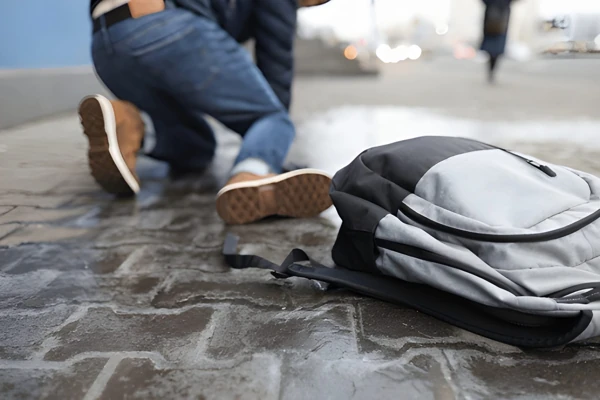
How Much Is an Uneven Surface Trip and Fall Case Worth?
There’s no fixed amount. Value depends on the severity of your injuries, your total medical bills and lost income, how clearly the hazard and notice can be proven, and how much insurance is available. A wrist fracture needing surgery is worth far more than a sprain that heals in weeks. Recoverable compensation may include:
- Medical expenses and future medical care
- Lost income and reduced earning capacity
- Pain and suffering
- Long-term impairment or disability
The most reliable way to understand your claim’s value is a case-specific evaluation.
How Long Do I Have to File a Trip and Fall Claim in Orange County?
In most cases, two years from the date of injury under California Code of Civil Procedure § 335.1. But if the fall happened on public property—a city or county sidewalk, for example—you generally must file a formal government claim within six months under Government Code § 911.2. Because so many uneven-surface cases involve sidewalks and public walkways, this shorter deadline matters—missing it can end a valid claim.
Why Are Uneven Surface Claims So Often Disputed?
Owners and insurers frequently challenge these claims. Common arguments include minimizing the defect as “too minor,” calling the condition “open and obvious,” or shifting blame to the injured person.
Two points matter here. First, California does not automatically bar a claim just because a hazard was visible—an owner can still be liable if it was foreseeable people would encounter it. Second, because surface defects are often repaired right after an incident, early documentation is essential. A thorough investigation establishes the true condition of the surface and the history of the hazard before that evidence disappears.
How Much Does a Trip and Fall Lawyer Cost?
Nothing upfront. The Law Offices of Faud Haghighi handles uneven-surface trip and fall cases on a contingency fee—you pay no attorney’s fee unless we recover compensation for you. Clients may still be responsible for case costs regardless of outcome. The consultation is free, so there’s no financial risk in finding out whether you have a case.
Why Choose the Law Offices of Faud Haghighi?
Trip and fall cases caused by uneven surfaces require a detailed, evidence-focused approach. We concentrate on identifying unsafe surface conditions, uncovering maintenance failures, and building claims property owners and insurers must take seriously.
Focus on Preventable Hazards
We examine how and why the surface became unsafe and whether it could have been corrected before someone was injured.
Early Evidence Preservation
We document uneven surfaces before repairs are made or evidence is lost.
Experience With Property Owner Defenses
We know the arguments raised in uneven-surface cases—”minor,” “open and obvious,” shifted blame—and prepare claims to counter them.
Prepared for Litigation When Necessary
We prepare every case as though it may proceed to trial, whether it ultimately resolves through settlement or litigation. Every case is different, and past results do not guarantee future outcomes.
Serving Clients Throughout Orange County
The Law Offices of Faud Haghighi represents people injured in uneven-surface trip and fall accidents throughout Orange County, including Santa Ana, Irvine, Anaheim, Mission Viejo, Lake Forest, Tustin, Costa Mesa, and surrounding communities. Our offices are in Aliso Viejo and Tustin.
Injured by a cracked sidewalk or uneven walkway in Orange County? The sooner a defect is documented, the stronger your claim. Call (949) 313-7656 or request a free consultation to talk about what happened.
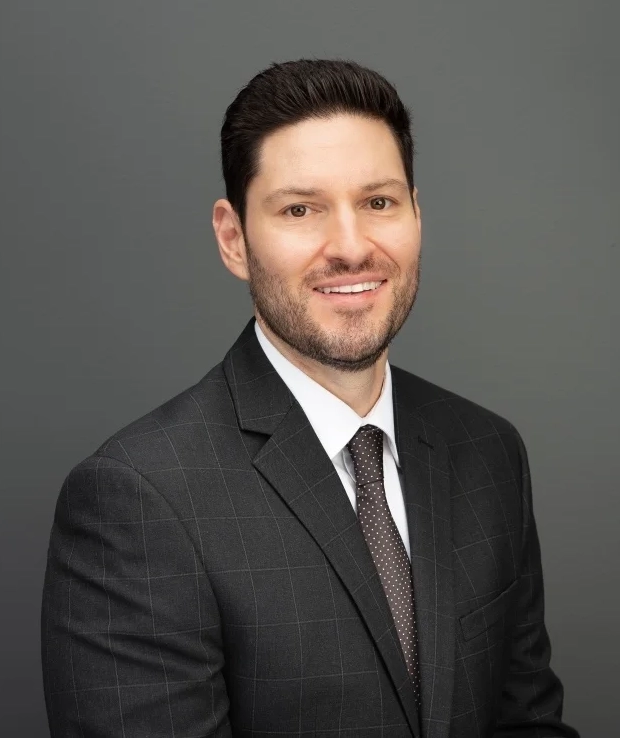
Faud Haghighi, Esq.
Founder & Lead Trial Attorney
An Orange County trial attorney representing people injured by someone else's negligence — in car and truck crashes, slip-and-falls, premises accidents, and other serious-injury cases. Faud builds each case with the right medical and liability experts, preserves the evidence early, and prepares every file for trial — and you work directly with him, start to finish.
CA State Bar since 2012 · Aliso Viejo & Tustin
Free Consultation Read full bio ›


